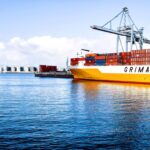
Introduction to Fuel Transportation Excellence in the UAE
The United Arab Emirates has become a global benchmark for efficiency, safety, and innovation in energy logistics. One of the strongest examples of this leadership is Fuel transportation UAE, which plays a critical role in supporting economic growth, industrial development, and international trade. With a carefully planned logistics network, the UAE ensures fuel moves safely and efficiently from refineries to industries, ports, and consumers.
Fuel transportation in the UAE goes beyond basic distribution. It integrates advanced technology, strict regulations, and environmental responsibility into every stage of the supply chain. This system supports not only petroleum products but also industries connected to chemicals, solvents, and lubricants. As a result, sectors such as isopropyl alcohol suppliers in uae and producers of the Best Base Oil in UAE benefit from a highly reliable logistics environment.
Strategic Geographic Advantage of the UAE
Central Position in Global Energy Trade
The UAE’s geographic location places it at the crossroads of Asia, Europe, and Africa. This strategic positioning allows fuel to be transported quickly to global markets. Shorter shipping routes reduce costs, minimize transit risks, and improve delivery timelines.
Fuel transportation UAE operations benefit greatly from this location, enabling efficient exports while also meeting strong domestic demand. The UAE’s proximity to major oil and gas reserves further strengthens its role as a global energy hub.
Access to International Shipping Lanes
The country has direct access to critical maritime routes such as the Strait of Hormuz. This access ensures uninterrupted fuel movement to global destinations. Ports are designed to handle high volumes safely, making the UAE a preferred fuel logistics center worldwide.
World-Class Infrastructure Supporting Fuel Logistics
Advanced Road Networks and Highways
The UAE has invested heavily in modern road infrastructure. High-capacity highways, smart traffic management systems, and well-maintained tanker routes allow fuel tankers to operate efficiently across long distances. Dedicated routes for hazardous materials reduce risks and improve safety.
These roads are engineered to withstand heavy loads and extreme temperatures, ensuring uninterrupted operations throughout the year.
Pipeline and Rail Integration
Pipelines play a vital role in reducing road dependency. They directly connect refineries, storage facilities, and ports, lowering transportation costs and environmental impact. Rail freight projects are also expanding, providing safer and more sustainable options for fuel transport.
Technology-Driven Fuel Transportation Systems
Real-Time GPS Tracking and Monitoring
Modern fuel tankers in the UAE are equipped with GPS tracking, sensors, and telemetry systems. These tools monitor speed, temperature, pressure, and route compliance in real time. Operators can instantly detect anomalies and take corrective action.
This level of monitoring enhances transparency and accountability across Fuel transportation UAE operations.
AI and Smart Fleet Management
Artificial intelligence helps optimize delivery routes, reduce fuel consumption, and predict maintenance needs. Automated fleet management systems also ensure compliance with government regulations, improving efficiency while reducing human error.
Strict Safety Standards and Regulations
Government Oversight and Compliance
Fuel transportation in the UAE operates under strict government regulations. Authorities mandate safety training for drivers, specialized tanker designs, and secure loading and unloading procedures. Regular inspections ensure vehicles meet safety and environmental standards.
Emergency Response Preparedness
Dedicated emergency response teams are trained to handle fuel-related incidents quickly. These teams work closely with civil defense and environmental agencies to minimize damage and ensure public safety.
Environmental Sustainability in Fuel Transportation
Reducing Carbon Emissions
The UAE is actively working to reduce the environmental footprint of fuel logistics. Newer tanker fleets use fuel-efficient engines, while optimized routing reduces unnecessary mileage.
Supporting Cleaner Energy Transitions
Fuel transportation UAE systems are also adapting to cleaner fuels, including biofuels and low-sulfur products. This transition supports the nation’s long-term sustainability goals and aligns with global environmental standards.
Supporting Chemical and Industrial Supply Chains
Safe Transport of Industrial Chemicals
Fuel logistics infrastructure also supports the safe movement of industrial chemicals. Reliable transport systems are essential for industries handling solvents, resins, and other hazardous materials.
This reliability is especially important for isopropyl alcohol suppliers in uae, who depend on regulated transportation to maintain product integrity and safety.
Role of Fuel Transportation in Base Oil Distribution
Maintaining Quality and Consistency
Base oils are essential for producing lubricants used in automotive, aviation, and manufacturing industries. Efficient logistics help preserve the chemical stability of these products during transportation.
Thanks to advanced fuel logistics, suppliers of the Best Base Oil in UAE can deliver high-quality products consistently to both domestic and international markets.
Challenges and Continuous Innovation
Adapting to Market Volatility
Global energy markets are constantly changing. The UAE addresses these challenges through continuous investment in infrastructure, digitalization, and workforce training.
Innovation as a Core Strategy
Automation, smart sensors, and predictive analytics ensure Fuel transportation UAE remains resilient and future-ready.
Future Outlook for Fuel Transportation in the UAE
The future of fuel transportation in the UAE points toward increased automation, cleaner energy integration, and greater use of artificial intelligence. With strong government support and private-sector innovation, the UAE is well-positioned to remain a global leader in fuel logistics.
Frequently Asked Questions
- What makes Fuel Transportation in the UAE unique?
Its combination of advanced infrastructure, technology, safety regulations, and strategic location. - How does technology improve fuel safety?
Real-time tracking and automated alerts help prevent accidents and ensure compliance. - Is fuel transportation environmentally friendly in the UAE?
Yes, emission reduction strategies and cleaner fuels are actively promoted. - Does fuel logistics support chemical industries?
Absolutely. It supports isopropyl alcohol suppliers in the UAE and other chemical distributors. - How does base oil distribution benefit from fuel transport systems?
Efficient logistics maintain quality and reliability for the best base oil in the UAE. - What is the future of fuel transportation in the UAE?
Greater automation, sustainability, and digital integration.
Conclusion
The UAE has built one of the most advanced fuel logistics systems in the world. Through strategic planning, modern infrastructure, strict safety standards, and cutting-edge technology, fuel transportation in the UAE continues to set global benchmarks. Its influence extends beyond fuel, supporting chemical suppliers, base oil producers, and multiple industrial sectors. This integrated approach ensures the UAE remains a trusted and efficient energy logistics hub for years to come. For reliable fuel supply and logistics solutions, you can get in touch directly via Al Faraji Oil Contact Us. To understand the broader context of fuel movement and distribution, learn more about fuel transportation on Wikipedia.
Read More:
UAE Fuel Rates Update: Petrol Prices Fall—January 2026 Forecast