The United Arab Emirates has long been recognized as one of the world’s leading energy hubs. With its vast oil reserves and advanced infrastructure, the country plays a vital role in the global energy supply chain. The oil trade UAE is not just about extraction—it encompasses import, export, refining, and distribution of petroleum products that fuel industries and economies worldwide. Understanding how this trade works, its regulations, and its impact is essential for businesses, investors, and consumers alike.
The Role of Oil Trade in the UAE’s Economy
Oil has historically been the backbone of the UAE economy. Revenue from petroleum exports allowed the country to develop world-class infrastructure, healthcare, and education. While diversification into tourism, aviation, and real estate is ongoing, the oil trade UAE still contributes significantly to GDP and foreign trade.
Crude oil and refined petroleum products are exported to Asia, Europe, and beyond. At the same time, the UAE imports specialized petroleum products, lubricants, and fuels to meet domestic demand and support its growing industries.
Import and Export Regulations for Petroleum Products
Petroleum trade in the UAE is closely regulated to ensure compliance with international safety and environmental standards. Businesses involved in import and export must:
- Obtain licenses from the UAE Ministry of Energy and Infrastructure.
- Comply with International Maritime Organization (IMO) standards.
- Adhere to environmental rules for storage and transportation.
- Use proper customs documentation for cross-border shipments.
By following these regulations, companies maintain smooth operations and avoid costly penalties while strengthening the credibility of the oil trade UAE in international markets.
Logistics and Infrastructure Supporting Oil Trade
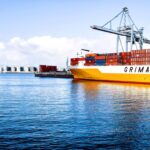
The UAE has invested heavily in world-class infrastructure to support petroleum trade. Ports like Jebel Ali, Fujairah, and Ruwais are equipped with advanced storage terminals and refineries. Fujairah, in particular, is one of the world’s largest bunkering hubs, offering convenient access for global shipping routes without passing through the Strait of Hormuz.
Pipeline networks, rail systems, and advanced road logistics ensure that petroleum products are efficiently distributed within the country and exported abroad. This logistics strength makes the oil trade UAE more reliable and competitive on a global scale.
Global Market Influence and Partnerships
The UAE is a key member of OPEC (Organization of the Petroleum Exporting Countries), which means it actively participates in setting oil production quotas and stabilizing global prices. Additionally, trade partnerships with countries such as China, India, and Japan drive significant demand for UAE petroleum exports.
Meanwhile, the UAE also imports refined products from international markets when needed, creating a balanced cycle of import-export activity. This integration ensures the oil trade UAE remains resilient even when global oil prices fluctuate.
Future Outlook: Diversification and Sustainability
While oil remains central, the UAE is also investing in clean energy projects, including solar, hydrogen, and nuclear. This transition doesn’t replace the oil trade UAE but complements it by positioning the country as a balanced energy leader. Sustainable oil practices, improved refining technologies, and carbon reduction strategies will shape the next phase of petroleum trade.
Conclusion: Why Oil Trade Matters for the UAE
Navigating the import and export of petroleum products in the UAE involves more than just moving oil—it requires strategic planning, regulatory compliance, and efficient logistics. From fueling global markets to driving domestic growth, the oil trade UAE is at the heart of the nation’s economic engine.
For businesses, staying updated with regulations, exploring trade opportunities, and leveraging the UAE’s world-class infrastructure are keys to success. Whether exporting crude oil or importing refined products, the UAE continues to play a pivotal role in powering industries worldwide.
FAQs
Q1: What are the major ports for petroleum trade in the UAE?
Jebel Ali, Fujairah, and Ruwais are leading hubs with advanced infrastructure for oil imports and exports.
Q2: Does the UAE only export crude oil?
No, the UAE exports both crude oil and refined petroleum products while also importing specialized fuels and lubricants.
Q3: How does the UAE ensure safety in petroleum imports and exports?
Strict licensing, adherence to IMO regulations, and advanced storage and transport systems ensure safety and compliance.
Q4: What role does OPEC play in the UAE’s oil trade?
As an OPEC member, the UAE follows production quotas and contributes to stabilizing global oil prices.
Q5: Is the UAE moving away from oil dependence?
The UAE is diversifying into renewable energy but petroleum trade remains a crucial part of its economy and global strategy.