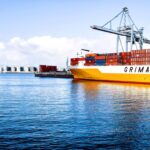
The UAE remains one of the most important energy hubs in the Middle East, making diesel trading a critical sector for transportation, logistics, construction, manufacturing, and industrial operations. In 2026, diesel prices have experienced notable fluctuations due to global oil market movements, geopolitical developments, and changes in supply and demand dynamics. Understanding these trends is essential for businesses looking to manage fuel costs and optimize operations.
At Alfaraji, we closely monitor the fuel market to help businesses make informed decisions in an evolving energy landscape.
Understanding the UAE Diesel Market
The UAE follows a fuel price deregulation policy introduced in 2015, allowing fuel prices to reflect international market conditions. As a result, diesel prices are reviewed and adjusted monthly based on global oil prices, refining costs, transportation expenses, and market demand.
This pricing mechanism ensures transparency while aligning domestic fuel costs with international energy markets.
Diesel Price Trends in 2026
The first half of 2026 witnessed significant volatility in diesel prices. While prices remained relatively moderate during the early months of the year, geopolitical tensions and disruptions in regional energy markets caused substantial increases during the second quarter. Diesel prices rose sharply in April before showing signs of stabilization in subsequent months.
Key factors influencing diesel prices include:
- Global crude oil price fluctuations
- Regional geopolitical developments
- Refinery production capacity
- Transportation and shipping costs
- Seasonal industrial demand
- Supply chain disruptions
These variables continue to shape the outlook for diesel trading throughout 2026.
How Global Oil Markets Impact Diesel Trading
Although diesel is a refined petroleum product, its pricing remains closely tied to crude oil benchmarks. Any major changes in global oil production or supply routes can significantly influence diesel costs.
The UAE continues to expand its energy production capabilities, with increased investments in oil infrastructure and export capacity. Industry analysts expect higher production levels in the coming years, which could support long-term market stability.
For companies involved in diesel trading, monitoring international oil trends is essential for forecasting costs and maintaining competitive pricing strategies.
The Growing Demand for Diesel in the UAE
Several sectors continue to drive diesel consumption across the UAE:
Logistics and Transportation
Heavy trucks, freight services, and logistics fleets rely heavily on diesel fuel for daily operations.
Construction Industry
Large-scale infrastructure and construction projects require diesel-powered machinery and equipment.
Industrial Operations
Factories, manufacturing plants, and industrial facilities use diesel for power generation and operational support.
Marine and Shipping Services
The UAE’s strategic location as a global trade hub creates ongoing demand for marine diesel fuels.
This sustained demand reinforces the importance of reliable diesel trading networks across the country.
Looking for a trusted diesel supplier? Alfaraji delivers reliable fuel trading solutions tailored to your business needs.
Challenges Facing Diesel Trading in 2026
Despite strong demand, the diesel market faces several challenges:
Price Volatility
Rapid shifts in global energy markets can impact profitability and budgeting.
Supply Chain Risks
Shipping disruptions and geopolitical uncertainty can affect fuel availability and transportation costs.
Environmental Regulations
Businesses are increasingly focused on reducing emissions and improving fuel efficiency.
Competition
The UAE fuel market remains highly competitive, requiring suppliers to provide value-added services and reliable delivery solutions.
Companies involved in diesel trading must adopt flexible strategies to navigate these challenges effectively.
Opportunities for Diesel Traders
While challenges exist, 2026 also presents significant opportunities:
- Growing industrial activity across the GCC
- Expansion of logistics and transportation networks
- Increased infrastructure investment
- Enhanced fuel storage and distribution capabilities
- Advanced fuel management technologies
Businesses that leverage these opportunities can strengthen their market position and improve operational efficiency.
Future Outlook for Diesel Trading in UAE
Industry experts expect diesel prices to remain influenced by international energy trends throughout 2026. However, the UAE’s investments in production capacity, storage facilities, and export infrastructure may help improve long-term market resilience.
For companies engaged in diesel trading, strategic planning, efficient procurement, and strong supplier relationships will remain key success factors.
Why Choose Alfaraji for Diesel Trading?
At Alfaraji, we understand the importance of dependable fuel supply solutions. Our commitment to quality, reliability, and customer satisfaction makes us a trusted partner for businesses across the UAE.
Our advantages include:
- Reliable fuel sourcing
- Competitive market pricing
- Timely delivery services
- Industry expertise
- Customized fuel solutions
Whether you operate a logistics fleet, construction company, or industrial facility, Alfaraji provides the support needed to meet your fuel requirements efficiently.
Partner with Alfaraji today and secure dependable diesel trading solutions that keep your operations moving forward.
Conclusion
The UAE diesel market in 2026 is shaped by evolving global energy trends, regional developments, and growing industrial demand. While price fluctuations remain a challenge, businesses that stay informed and work with reliable suppliers can successfully manage fuel costs and maintain operational efficiency.
As the demand for diesel trading continues to grow, partnering with an experienced provider like Alfaraji can help ensure long-term success in a competitive market.